What to Do When Your Roof Leaks During a Miami Lakes Winter Storm
Published: 2026-10-14 · By EliteCover Roofer Miami Lakes
Winter storms in Miami Lakes can unleash unexpected challenges for homeowners, particularly when it comes to roof integrity. Picture this: heavy rain coupled with fierce winds rattles your home, and suddenly, you notice a troubling drip in your living room. Panic sets in as you realize your roof is compromised. Addressing a leak swiftly is crucial not only to protect your property but also to maintain the value of your home amidst Florida's unpredictable climate.
Why This Matters for Miami Lakes Homeowners
The combination of high humidity and tropical storms means Miami Lakes homeowners face unique challenges regarding roofing maintenance. During the winter months, the risk of leaks escalates significantly, especially with rain accumulation and high winds. Roofs can only withstand so much, and when the protective layers erode, leaks become more than an inconvenience—they can lead to mold growth, structural damages, and costly repairs.
The common materials used for roofing in our area, like asphalt shingles or metal, can give in to salt air corrosion. This is particularly critical as the nearby coastline exposes homes to salt-laden winds, requiring vigilant upkeep to prevent degradation.
Expert Solutions & Actionable Tips
1. Identify and Isolate the Leak
As soon as you notice a leak, it’s essential to pinpoint its location. Inspect the ceiling for stains or drips and check the attic for signs of dampness. This step is vital for minimizing damage to your home and preventing mold growth.
Take note of the leak origin, as knowing where it’s coming from will save both time and money when discussing repairs with roofing professionals.
2. Temporary Repairs to Minimize Damage
If water is actively coming through, use a tarp or bucket to contain the leak. A tarp can be effectively secured over the affected area to shield against further water intrusion. Additionally, use duct tape or plastic sheeting as a makeshift barrier.
This temporary fix will help you manage the leak until permanent solutions can be implemented. Homeowners can typically expect to spend around $50 to $100 on materials for this type of immediate repair.
3. Contact a Local Roofing Professional
If the leak persists or the damage appears extensive, reaching out to a local roofing contractor is imperative. In Miami Lakes, professionals like EliteCover Roofer understand the specific challenges posed by our tropical climate.
Expect a response time of 24 to 48 hours for initial inspections, and prepare for repair costs ranging from $200 to $2,000, depending on the severity and scope of the damage.
4. Inspect Your Roof Post-Storm
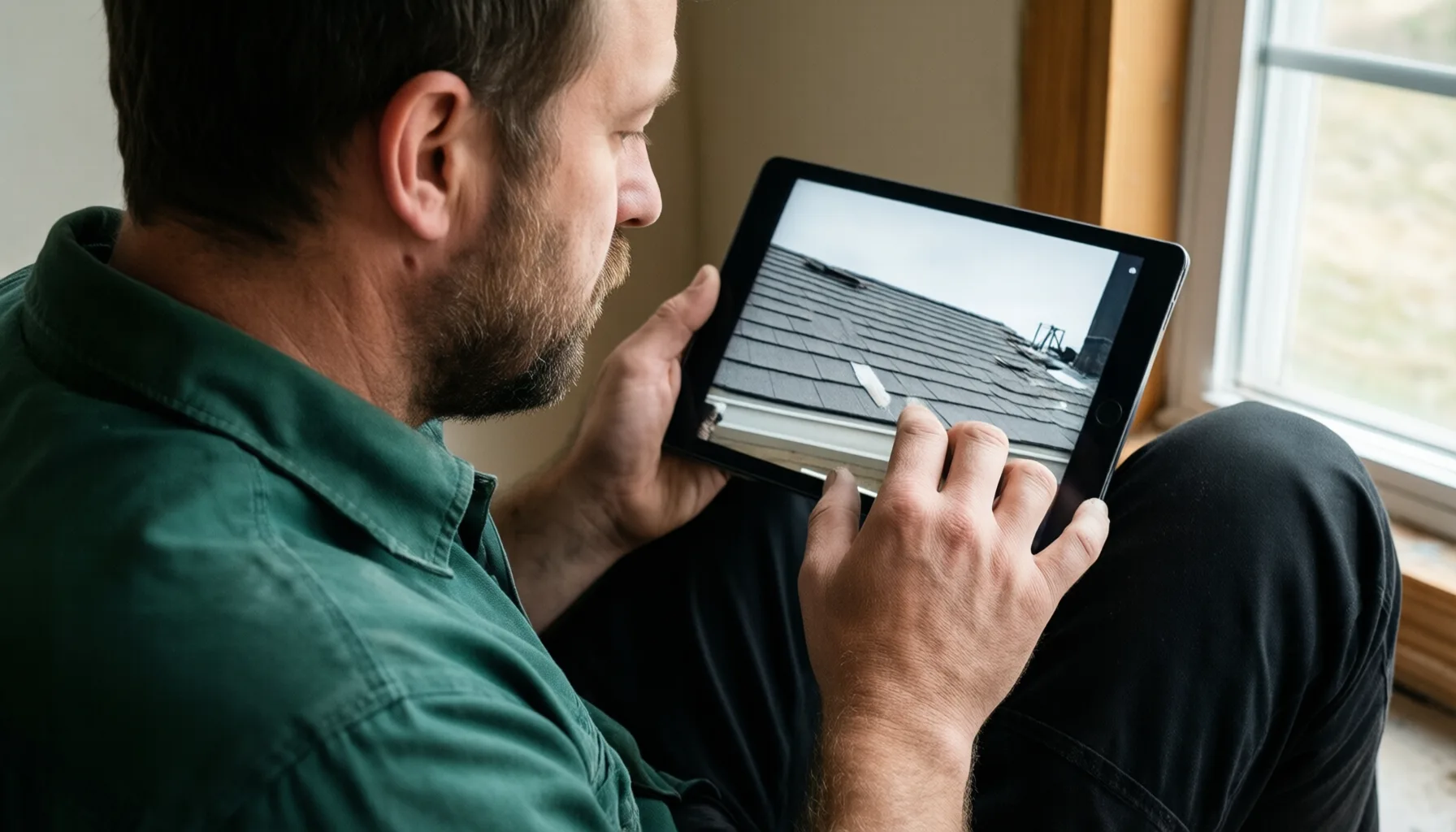
After a storm has passed, make a habit of thoroughly inspecting your roof. Look for loose shingles, pooling water, or signs of wear where salt and moisture might have caused erosion.
Regular inspections can extend the lifespan of your roof, saving you from costly repairs down the road. A professional evaluation, if necessary, should be budgeted at around $150 to $400.
5. Preventive Roof Maintenance
Taking preventive measures can make a world of difference, especially in our humid environment. Regular maintenance can include cleaning gutters, trimming back foliage, and sealing vulnerable areas to protect against moisture intrusion.
Consider scheduling a professional maintenance check semi-annually to keep your roof in peak condition. Expect to spend about $100 to $300 for these services, which can pay off in avoiding far larger costs later.
6. Insurance Considerations
It’s also wise to review your homeowners insurance policy if you experience a roof leak. Certain types of damage may be covered, depending on your policy specifics.
Familiarizing yourself with applicable claims could alleviate some financial burden. Be aware that claim processes can take time, so initiating communication with your insurer as soon as possible is advisable.
Miami Lakes Climate & Local Context
Miami Lakes is known for its lush landscapes and elevated homes, which often have unique roofing requirements. Local building codes frequently necessitate moisture barriers to protect properties from the intense humidity characteristic of South Florida.
Additionally, the presence of salt air along the coast increases the need for specialized materials that can withstand accelerated corrosion. Metal roofs are common, yet they require specific treatments to secure longevity against these environmental factors. When seeking roofing materials or services, ensure that they meet Miami Lakes’ building standards to avoid complications.
When to Call a Professional
Differentiating between minor repairs and significant roofing issues can save homeowners time and money. DIY repairs are feasible for minor leaks, but professional intervention is critical for extensive damage.
It's beneficial to consider seeking professional assistance when noticing any of the following:
- Visible sagging on the roof
- Extensive water stains on ceilings
- Mold or mildew growth
- Major missing shingles or sections
- Water pooling on your roof
- Leaking in multiple areas simultaneously
- Age of roofing exceeds expected lifespan
- Not comfortable with heights or roofing work
When professional roofing services are needed, trust local experts to provide reliable assessments and repairs.
Frequently Asked Questions
What should I do if I see a leak in my roof during a storm?
Immediately contain the leak using a bucket or tarp, then contact a roofing professional for a thorough inspection and repair.
How can I prevent roof leaks in Miami Lakes?
Regular maintenance, including gutter cleaning and roof inspections, can significantly reduce the risk of leaks due to our humid climate.
Is it advisable to repair my roof myself?
While minor repairs can be handled by homeowners, significant damage often requires a professional’s expertise to ensure proper solutions.
How often should I have my roof inspected?
Inspecting your roof at least twice a year, especially before and after storm seasons, is wise to catch issues early.
What types of roofing materials are best for Miami Lakes?
Materials like metal roofing or premium asphalt shingles provide durability against the salt air and humidity prevalent in our area.
Get Expert Roofing Service in Miami Lakes
When it comes to roofing challenges in Miami Lakes, swift action is essential. If you've experienced a roof leak or simply want to ensure your roof is prepared for the next storm, don't hesitate to reach out. Call (305) 680-5662 today to consult with EliteCover Roofer Miami Lakes.
Taking care of your roof is crucial for protecting your home, ensuring it withstands Miami Lakes' unique climate while maintaining its value.